


Unpacking the Unexpected: Surprising Differences Between France and the USA
- Jennifer McGready
- Aug 11, 2024
- 4 min read

Traveling to France can be an exhilarating experience, filled with picturesque landscapes, rich history, and culinary delights. However, beyond the iconic landmarks and charming cafes, there are everyday aspects of life in France that may catch American visitors off guard. From quirky bottle caps to the lack of window screens, here's a look at some of the surprising differences between France and the USA.
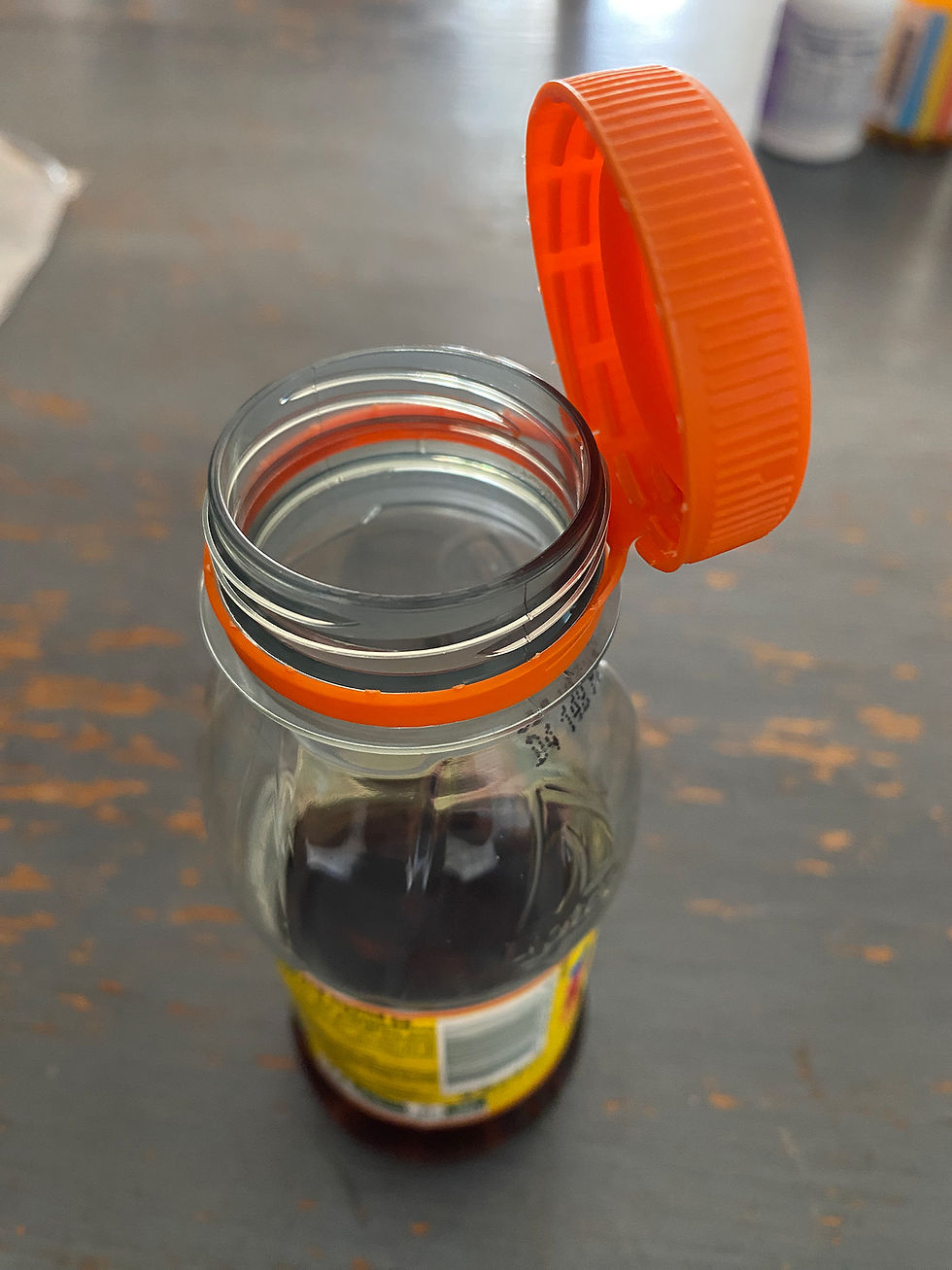
Bottle Caps That Stay Attached
One of the first peculiarities you might notice in France is the design of bottle caps. Unlike in the USA, where caps completely detach from the bottle, French bottle caps remain attached even when unscrewed. This small but significant difference is part of a broader European Union initiative to reduce plastic waste and encourage recycling. The attached cap ensures that it doesn’t get lost or thrown away separately from the bottle. While it might take a moment to get used to, this design is an environmentally friendly step that showcases France's commitment to sustainability.
Weighing Fruits and Vegetables

Shopping for produce in French supermarkets introduces another unexpected ritual: weighing and labeling your fruits and vegetables before heading to the cashier. In the USA, it's common to simply place your produce on the conveyor belt, where the cashier weighs it for you. However, in France, you must weigh your produce at designated scales in the produce section. After selecting your items, you place them on the scale, enter the corresponding code, and receive a sticker with the weight and price. Forgetting to do this can lead to confusion and delays at checkout, so it's a habit worth adopting quickly.
Navigating Roundabouts
Driving in France introduces the frequent encounter with roundabouts, known as “ronds-points.” Unlike the USA, where traffic signals and stop signs dominate intersections, France favors roundabouts for managing traffic flow. These circular intersections require drivers to yield to traffic already in the roundabout, promoting a continuous flow of vehicles. While it may initially seem daunting, especially in busy areas, roundabouts can reduce the likelihood of accidents and improve traffic efficiency. As you navigate these circular crossroads, you'll likely develop an appreciation for their practicality and effectiveness.
Homes with Walls and Gates

A stroll through a typical French neighborhood reveals another distinctive feature: nearly every home is surrounded by a wall and gate. This architectural style contrasts sharply with many American neighborhoods, where open lawns and driveways are the norm. The walls and gates offer privacy and security, creating a defined boundary for each property. This tradition has historical roots, with walls originally serving as protection against invaders. Today, they contribute to the quaint and orderly aesthetic of French towns and villages, providing a sense of seclusion and personal space.
Windows and Doors Without Screens

One striking difference in French homes is the absence of screens on windows and doors. While screens are common in the USA to keep insects out while allowing fresh air in, French windows and doors often remain open without them. This might seem strange, especially in the warmer months, but it reflects the French preference for natural ventilation and living close to nature. At our Airbnb, when we turned off the air conditioning, the main rooms would fill with flies or mosquitoes, which Frankie humorously calls "indoor hunting." However, most of the bugs tend to move on quickly and don’t bother us for long. To counterbalance the lack of screens, many French homes are equipped with automatic metal window blinds that provide absolute darkness, making it easier to sleep soundly.
Clothes Drying: Embracing the Air-Dry Tradition

Another notable difference in French households is the absence of clothes dryers, a staple in most American homes. In France, it's far more common to air-dry laundry, either on a line outside or on a drying rack inside the home. This practice is partly due to energy conservation efforts and the belief in the benefits of air-drying clothes, such as preserving fabric quality and avoiding shrinkage. Adapting to this slower pace of laundry can be an adjustment, but it also offers a chance to appreciate a simpler, more sustainable approach to daily chores.
Dining Etiquette
Dining out in France involves a few unique customs. For example, it’s customary to keep both hands on the table during a meal, unlike in the USA where one hand often rests in the lap. Tipping is also different; service is usually included in the bill, so a small additional tip is appreciated but not required. Moreover, meals are often leisurely affairs, encouraging diners to savor their food and enjoy the company, rather than the quick dine-and-dash approach common in the USA.
Pharmacy Visits

French pharmacies are a bit different from their American counterparts. They focus more on medications and health products, rather than the wide array of items found in American drugstores. If you need over-the-counter medicine, you'll typically need to ask the pharmacist, who will provide personalized advice and assistance.
Dogs Off-Leash and in Restaurants
France is notably dog-friendly, with dogs being a common sight in many public places, including restaurants. Unlike in the USA, where health regulations generally keep pets out of dining establishments except for service animals, French dogs often accompany their owners to dine out, inside retail stores, and roam off-leash in parks. This practice contributes to the country's relaxed and inclusive atmosphere. We look forward to the day we can trust Frankie to be off-leash around other dogs and people, just like the locals do.
Farmer's Market Days
In many French towns and villages like Martignas-sur-Jalle, market days are a cherished tradition. Local farmers and artisans set up stalls selling fresh produce, cheeses, meats, and handmade goods. These markets are not just about shopping; they're a social event where people gather to chat, sample products, and enjoy the lively atmosphere. This contrasts with the more impersonal experience of large supermarkets in the USA and is more similar to weekly Farmer's Markets.
Traveling in France offers a rich tapestry of cultural experiences, from its historic landmarks to its everyday customs. While some differences, like the attached bottle caps or the need to weigh produce, may seem minor, they provide a fascinating glimpse into the French way of life. Embracing these quirks and understanding the underlying reasons behind them can enhance your appreciation for France's unique charm. So, next time you find yourself in this beautiful country, remember to navigate those roundabouts with confidence, and enjoy the delightful differences that make France so special.


Comments